
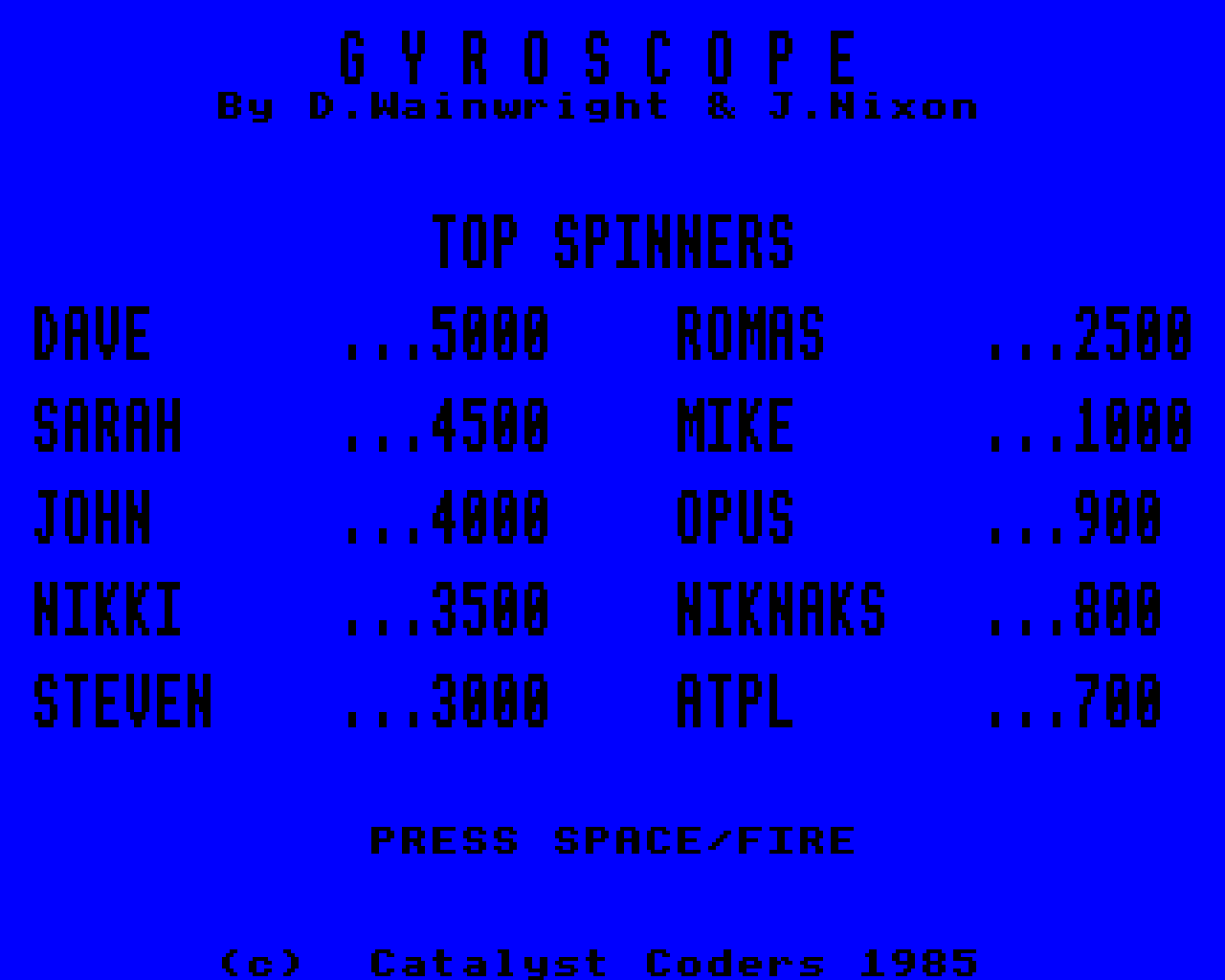
Gyroscope, BBC Micro, Melbourne House
-
Score - 5/105/10
Summary
The BBC Micro version of Gyroscope showed so much potential and to be honest, once you start playing it looks and feels like a great conversion. Unfortunately it’s hampered by a couple of issues that bring the game down to Earth with a crash. If you don’t encounter them, then you’ve got a great Marble Madness clone on your hands, but if they do then you’ll be rage quitting in no time.
User Review
( votes)Released in 1984 in the arcades by Atari, Marble Madness was an instant hit. The isometric game put you in control – as the title suggested – a marble and you had to navigate a series of mazes making your way down from top to bottom, avoiding creatures along the way to get to the exit through increasingly difficult levels. While it was converted to a range of home formats, the BBC Micro missed out… until Melbourne House released their own clone Gyroscope a year later.
Gyroscope In A Nutshell
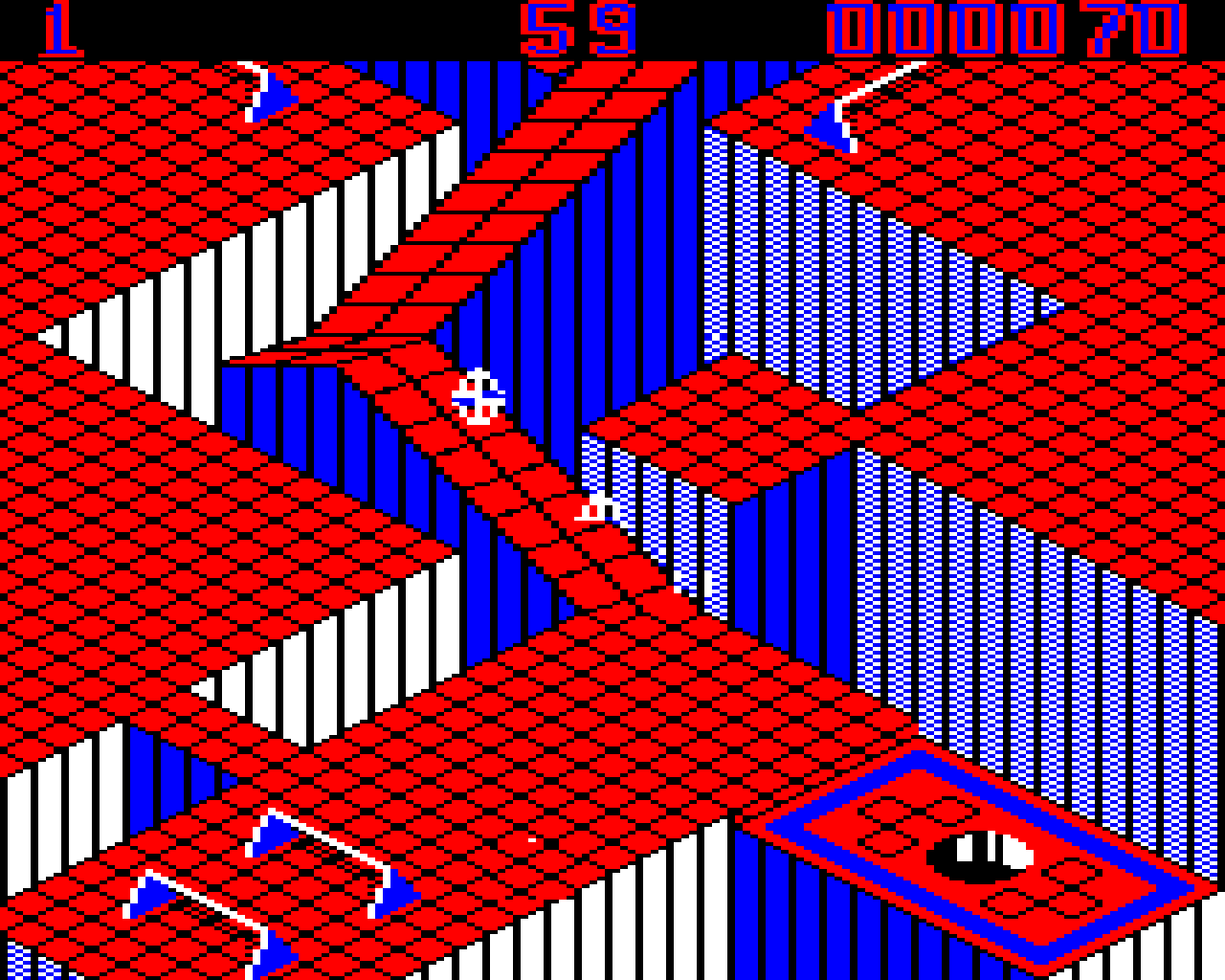
Essentially this is the same game as Marble Madness but here the ball has been swapped out for – you guessed it – a gyroscope! It’s exactly the same premise though – navigate the mazes to reach the exit at the end within the set time limit, avoiding all of the creatures that inhabit it and you’ve only got seven lives to do it. Collide with anything, fall off the edge or run out of time and you lose a life. Lose them all and it’s game over.
Getting In A Spin
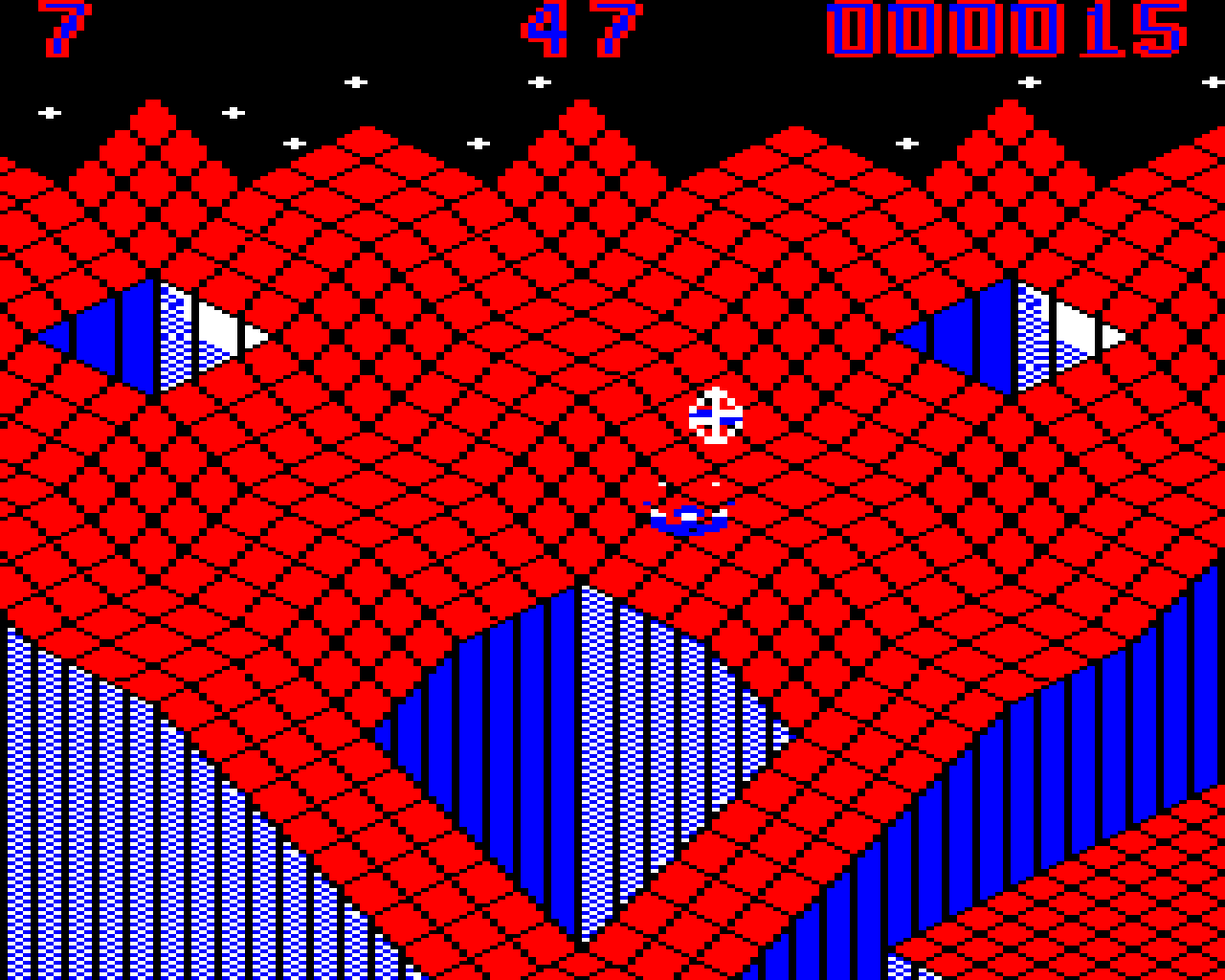
Controlling your Gyroscope is straightforward enough. Using the joystick or keyboard you just push up, down, left or right to move in that particular direction. However, rather than just simple four way movement, you have to deal with your gyroscope’s inertial so you can’t just rush around each of the levels and race towards the end. Each level is all about delicate, controlled movements. It will take a few games before you get used to the inertia and even longer before you master them, but that’s all part of the challenge. I will say that it felt far more responsive with keyboard than joystick though so that’s probably the better option for play.
Gameplay
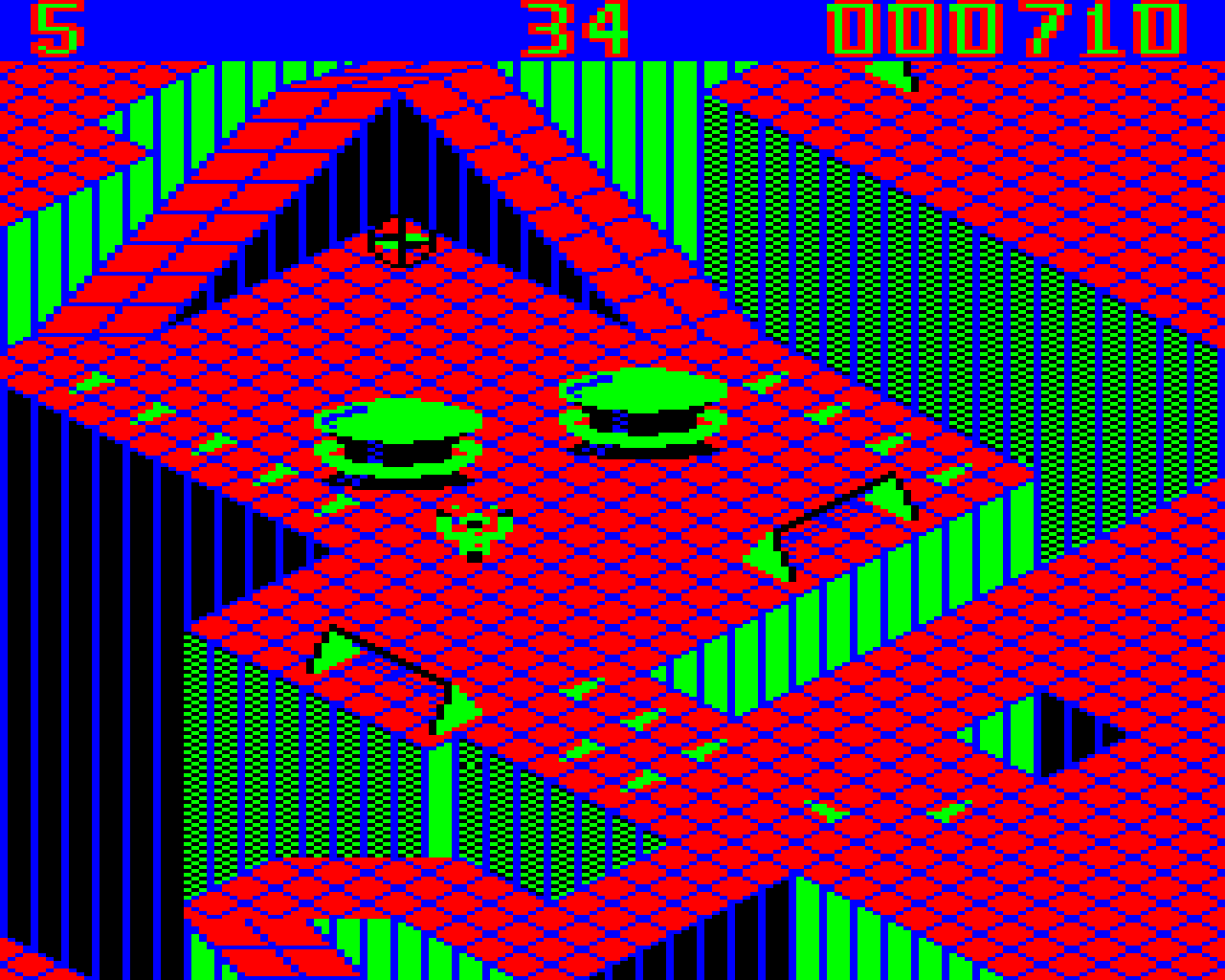
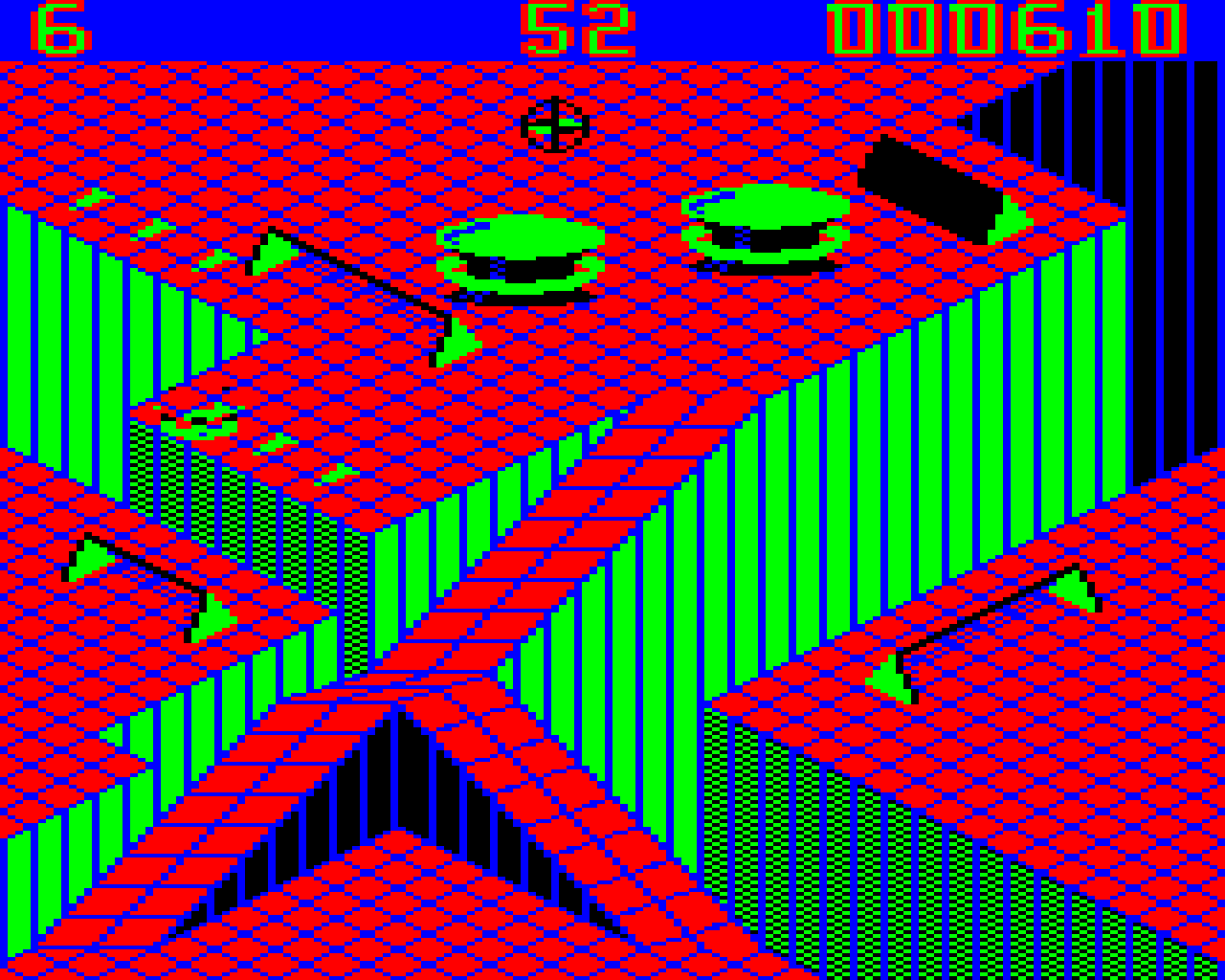
Once you’ve got used to the controls, Gyroscope is an entertaining but challenging game. The first couple of levels ease you into it gently but after that things start to get pretty tricky. Pathways become narrow, extra creatures block your path, and more obstacles are adding to the levels to block your route. The further you get through you get a really great sense of achievement though and it’s got that “one more go” factor that keeps you wanting to persevere until you get to the next level.
Graphics and Sound
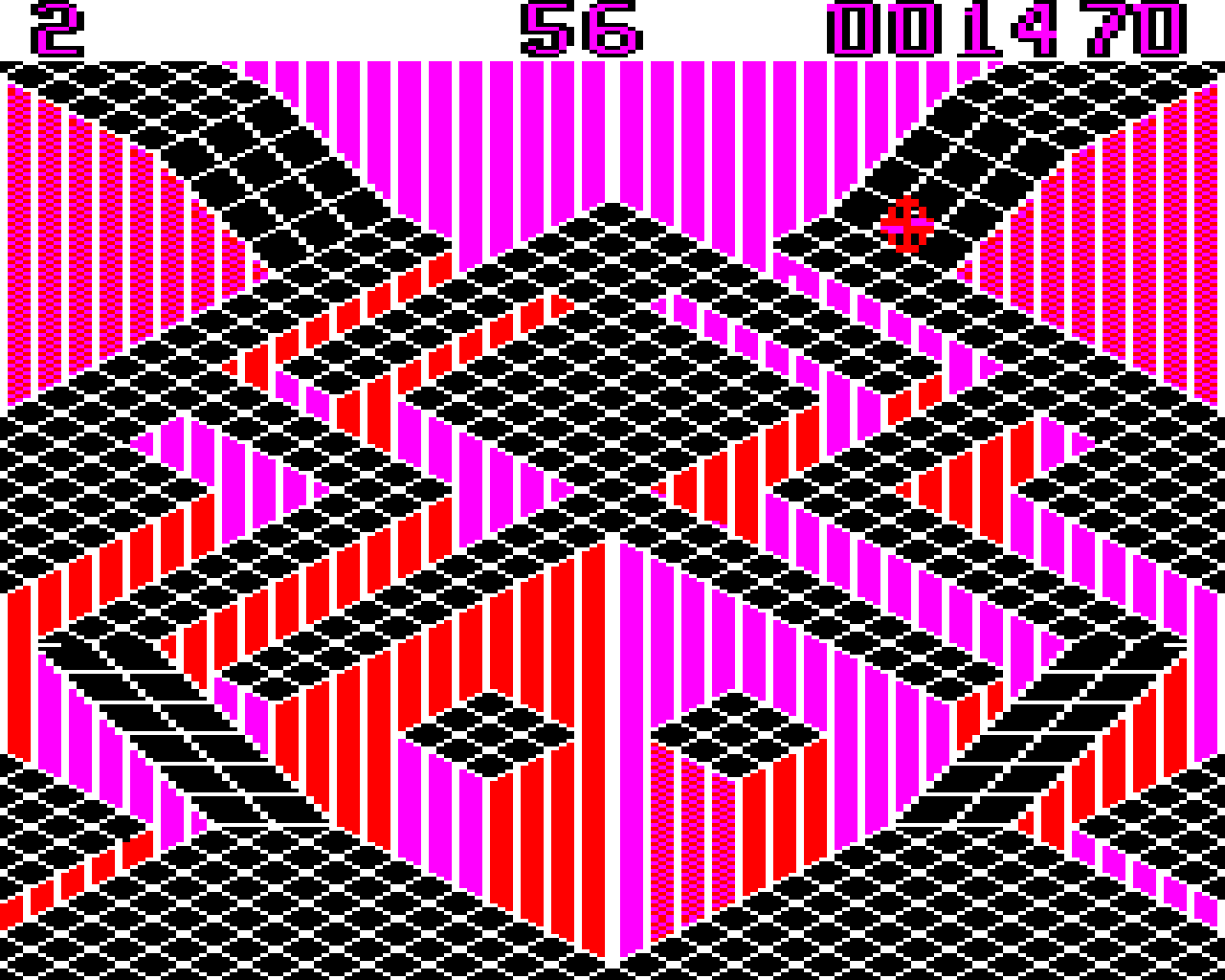
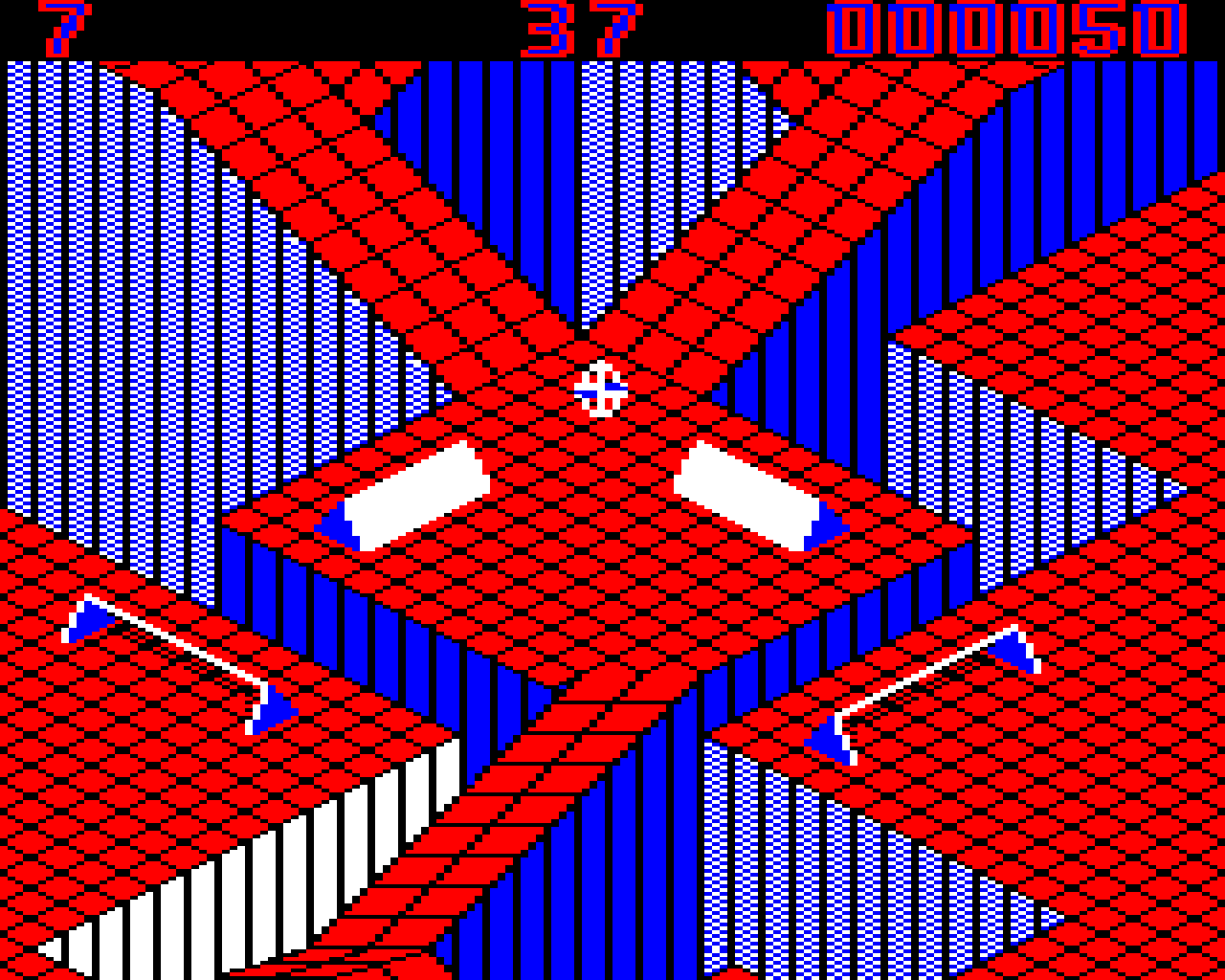
Visually each of the levels are well designed and colourful and everything is clearly defined and easy to make out. The use of different palettes for each level helps to ensure plenty of variety with the visuals as well and prevents the game getting too bland and repetitive the further you progress.
Unlike the Commodore 64 version, it doesn’t scroll continually but instead when you get near the bottom of the screen it scrolls as a large block moving your position back to the top of the playfield. While it’s a different approach to the C64 version and how Marble Madness worked, it’s a compromise that works within the hardware limits of the BBC and ensures that the game works as smoothly as possible.
Sound, on the other hand, is quite disappointing. There’s almost no sound at all with no music, and only the occasional effect when you lose a life, collide with anything, or bounce off the bumpers but for the most part the game is played in silence.
Stuck In A Loop
Unfortunately, Gyroscope isn’t without it’s flaws. And sadly, these are potentially game-breaking to the point that it you will end up rage-quitting on more than a few occasions. The first I encountered was an issue with respawn points. If you lose a life by colliding with any of the creatures in the game, I was immediately returned to play in the same spot I was killed… while the creature was still there – and immediately lost another life. This continued over and over until all my lives were lost and the dreaded “Game Over” message popped up on screen.
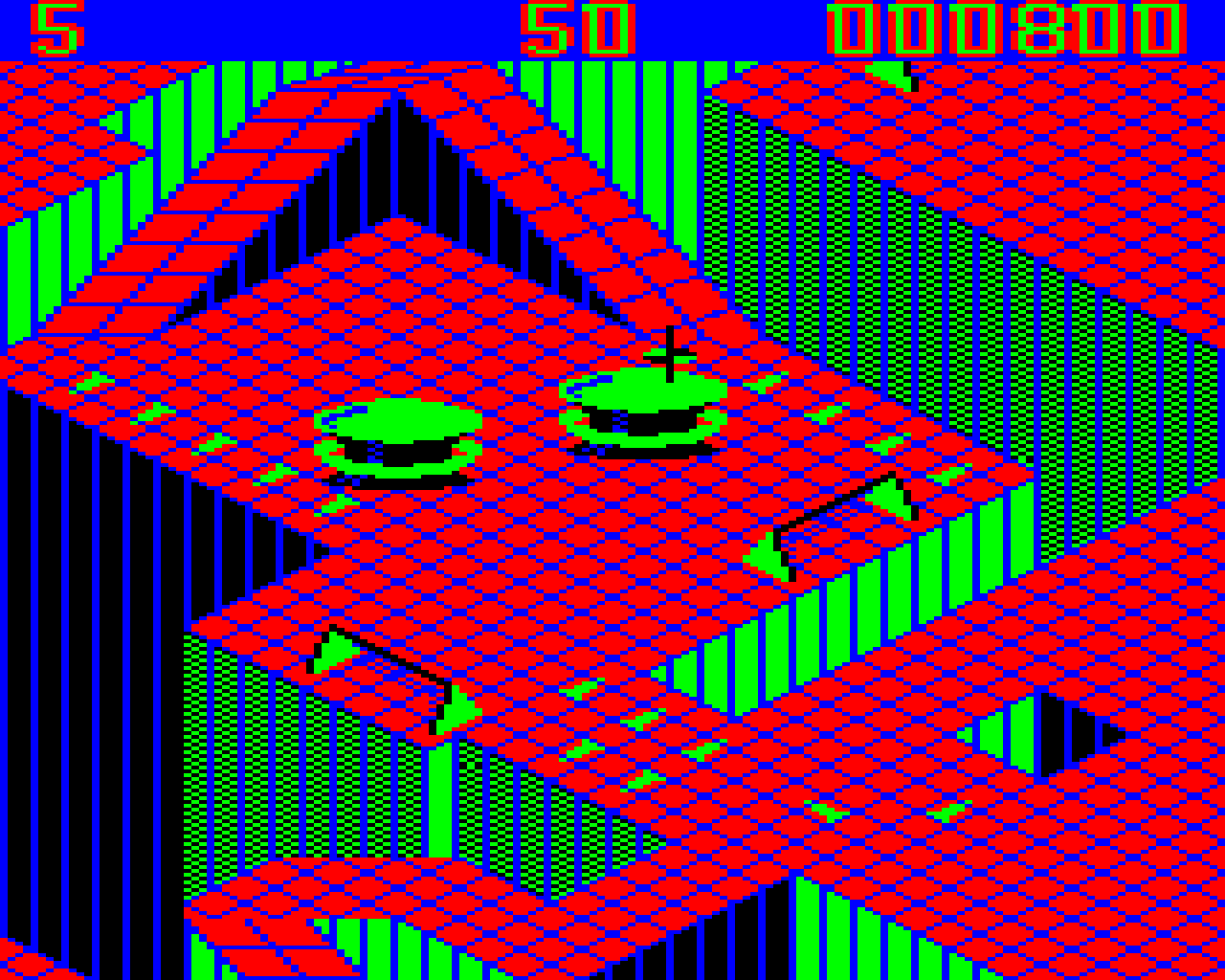
The second bug I discovered was on stage two. Part way down the level are what can best be described as bumpers that you would find on pinball tables. Normally when you get close to these in the game you bounce off them, but for some reason I got stuck to one of them. The timer ran out and I lost a life, but once again the respawn issue reared its head and I got stuck on it, no matter what I tried I couldn’t get away from it and had to wait for the timer to run out. And once more this continued until I ran out of lives.
Overall
I really had high hopes for this. I loved playing this on the Commodore 64 and I think that was one of the first Melbourne House games I got not long after buying my C64 so I was looking forward to playing this version as well. What’s really frustrating is that deep down this is a really good conversion but it’s let down by a few issues that truly spoil the game. If you can play the game without these cropping up, it’s a great game that will keep you hooked for ages, but if you encounter them in any play session, you’ll be diving for the power switch in no time.
* * *
You know what we think but why not share your thoughts on this game! Let us know what you think of it in the comments below, or add your own score using the slider in the summary box at the top of the review!


Leave a Reply